
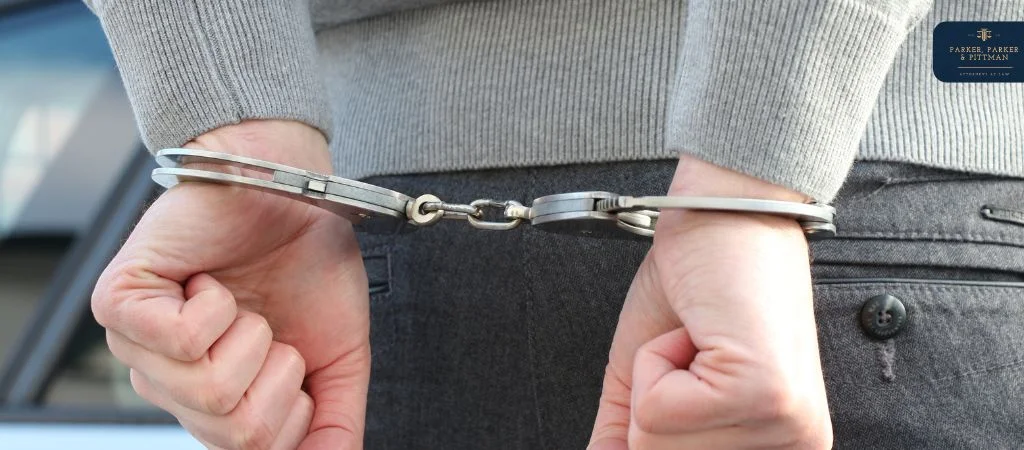
Being arrested for a drug offense in North Carolina can be a frightening experience that can leave you confused and unsure of what comes next. One common pressing question defendants have is, “What happens after a drug arrest in Iredell County, NC?” At Parker, Parker & Pittman, we are here to help you understand the standard process for most drug charges in Statesville, Mooresville, and across the county.
About Parker, Parker & Pittman
Parker, Parker & Pittman have represented the people of Iredell County in drug crime cases since 1991. Our team has decades of experience handling legal cases ranging from misdemeanors to felony trials. Founder David Parker and Principal Attorney T. Clay Pittman both worked as Assistant District Attorneys in North Carolina, giving them a unique perspective on how prosecutors build cases, and they can use that knowledge for your defense.
The Main Stages After a Drug Arrest in Iredell County
Drug arrests are a common occurrence in North Carolina, with 31,825 drug arrests made across the state in 2024. During the same period, Iredell County saw 1,032 filings, comprised of 973 counts of possession and 61 counts of drug sale or manufacturing. The most common controlled substance involved was marijuana, which was cited in 496 possession and 30 sales cases.
The exact steps for a drug crime following an arrest vary based on the offense, the circumstances of the arrest, and case-specific details. The following are the main procedures after being arrested for a drug offense in Iredell County:
Arrest and Booking
The first step after an arrest is booking. Defendants are transported to the Iredell County Detention Center in Statesville on Constitution Lane. Law enforcement collects a range of information, including:
- Your name, address, and personal information
- Photographs and fingerprints, which are submitted to both state and federal databases to check for warrants
- All personal belongings are searched and inventoried
- A basic health assessment and medical tests
Initial Hearings
After booking, you may be brought before a magistrate for your initial court appearance at the Iredell County Hall of Justice. The magistrate informs you of your rights, reads the charges against you, and sets your initial bond or condition of release. If you are not released or are held for a felony, your case may then be seen before a district court judge.
Arraignment
Arraignment is the next stage following a drug arrest. This court appearance is where a defendant may plead guilty, not guilty, or state their intention to plead later on in the proceeding. This stage is not when penalties are established, even if you want to plead guilty. At this hearing, the judge can set future court dates, discovery deadlines, and review bond conditions.
Pre-Trial Phase
The pre-trial phase is often the longest and most complex stage of any drug crime case in North Carolina. Key components include:
- Discovery, where both sides exchange evidence
- Investigation by your attorney to review the case
- Pre-trial motions to suppress evidence or challenge procedural errors
- Plea negotiations for reduced charges, shortened jail sentences, and deferral to treatment programs
- Hearings for any motions filed and ongoing administrative meetings
Trial and Sentencing
If you agree to a plea agreement, the negotiated terms are submitted to the judge, who can accept or reject them and then declare your sentence. If no deal is agreed upon, the case may proceed to a trial. A non-guilty verdict ends the process, while a guilty verdict proceeds to sentencing.
FAQs
What Should You Do After a Drug Arrest in North Carolina?
After a drug arrest in North Carolina, there are many steps you can take to strengthen your case. The first thing you should do is invoke your right to remain silent. Next, clearly state that you do not consent to any searches of your property. While police may still conduct certain searches under the law, refusing consent can help preserve your constitutional rights and may require officers to obtain a warrant before searching your phone, home, or other personal property.
How Long Does a Drug Crime Charge Take to Resolve in North Carolina?
How long your North Carolina drug crime case takes to resolve is based on a wide range of variables, including the charge’s severity, the court’s backlog, whether litigation is required, and its complexity. A misdemeanor possession charge of marijuana with an early plea deal may take less time than allegations of widespread drug trafficking that proceed to a jury trial.
When Should You Speak With an Attorney After a Drug Arrest in North Carolina?
One question many people have after a drug arrest in North Carolina is at what stage they should speak with an attorney. It is recommended that you contact a drug crime lawyer as soon as you are able. Police are required to notify you of your right to communicate with legal counsel and friends. If you do not have an attorney, remain silent and coordinate with someone you trust to obtain representation.
What Amount of a Drug Is Considered Felony Possession in North Carolina?
The amount of a substance that constitutes felony possession in North Carolina depends on its schedule and quantity. Possession of marijuana becomes a felony for more than one and a half ounces, while any amount over four dose units of a Schedule II – IV substance is a felony. Any quantity of a Schedule I drug is automatically a felony.
Hire a Drug Crime Lawyer
The period after a drug arrest can be chaotic and pose many personal, professional, financial, and legal concerns. Hire a drug crime lawyer to guide you through the process. Your Iredell County drug crime attorney can gather evidence for your defense, advise you on an optimal defense strategy, represent you in all court appearances, and negotiate with the state for a favorable plea deal.
Parker, Parker & Pittman understand how frightening a drug arrest can be. Contact us today to book your initial consultation, where we can discuss your case and explore your options. We are located on Davie Avenue in Statesville, a block south of the Iredell County Hall of Justice, and a block north of City Hall.